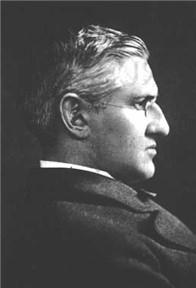
As the great fire of 1871 burned much of Chicago, it also destroyed most of the fortunes of the Horatio Spafford family. Spafford was an attorney, businessman, Presbyterian elder and, as we’ll see, a hymn-writer.
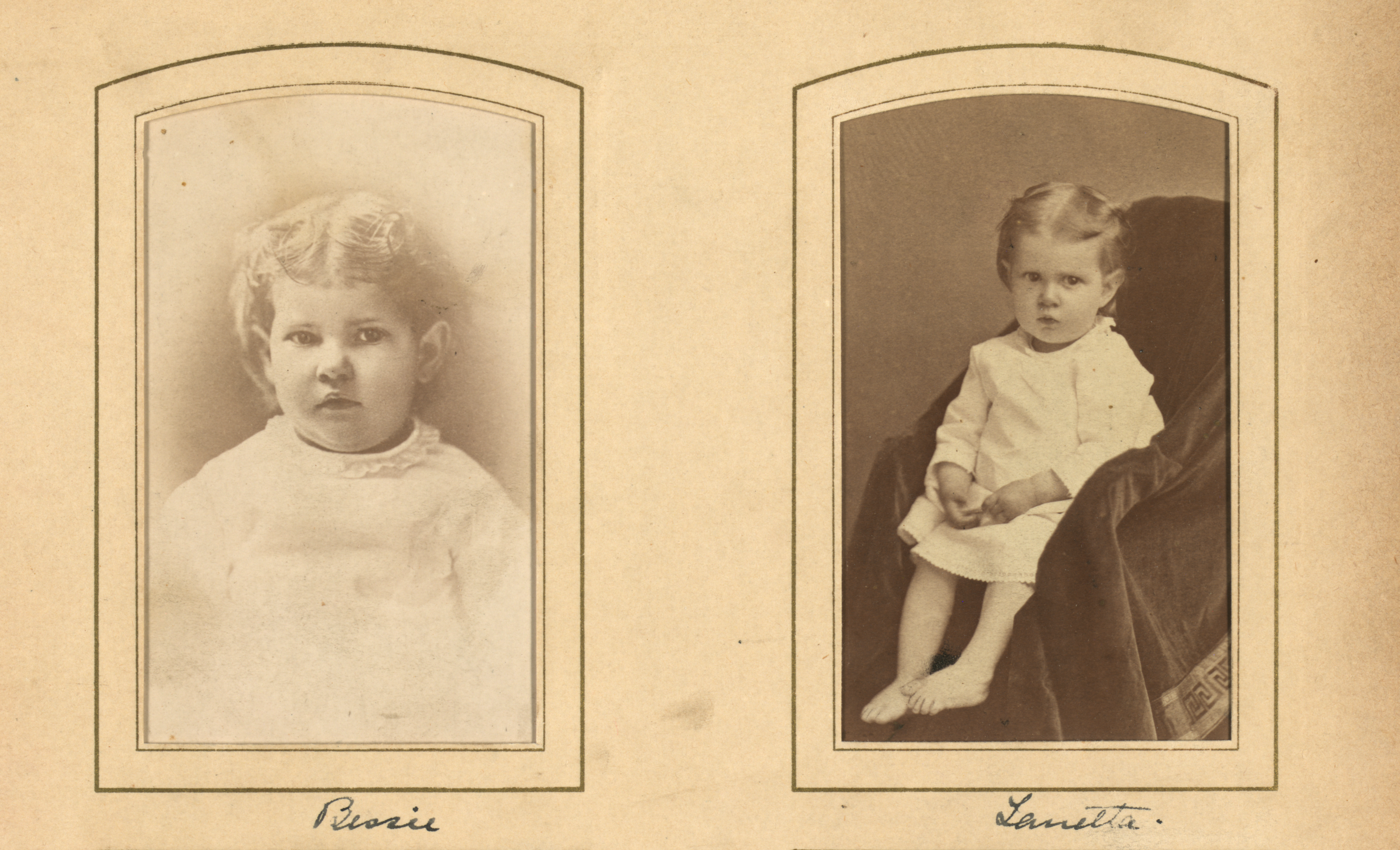
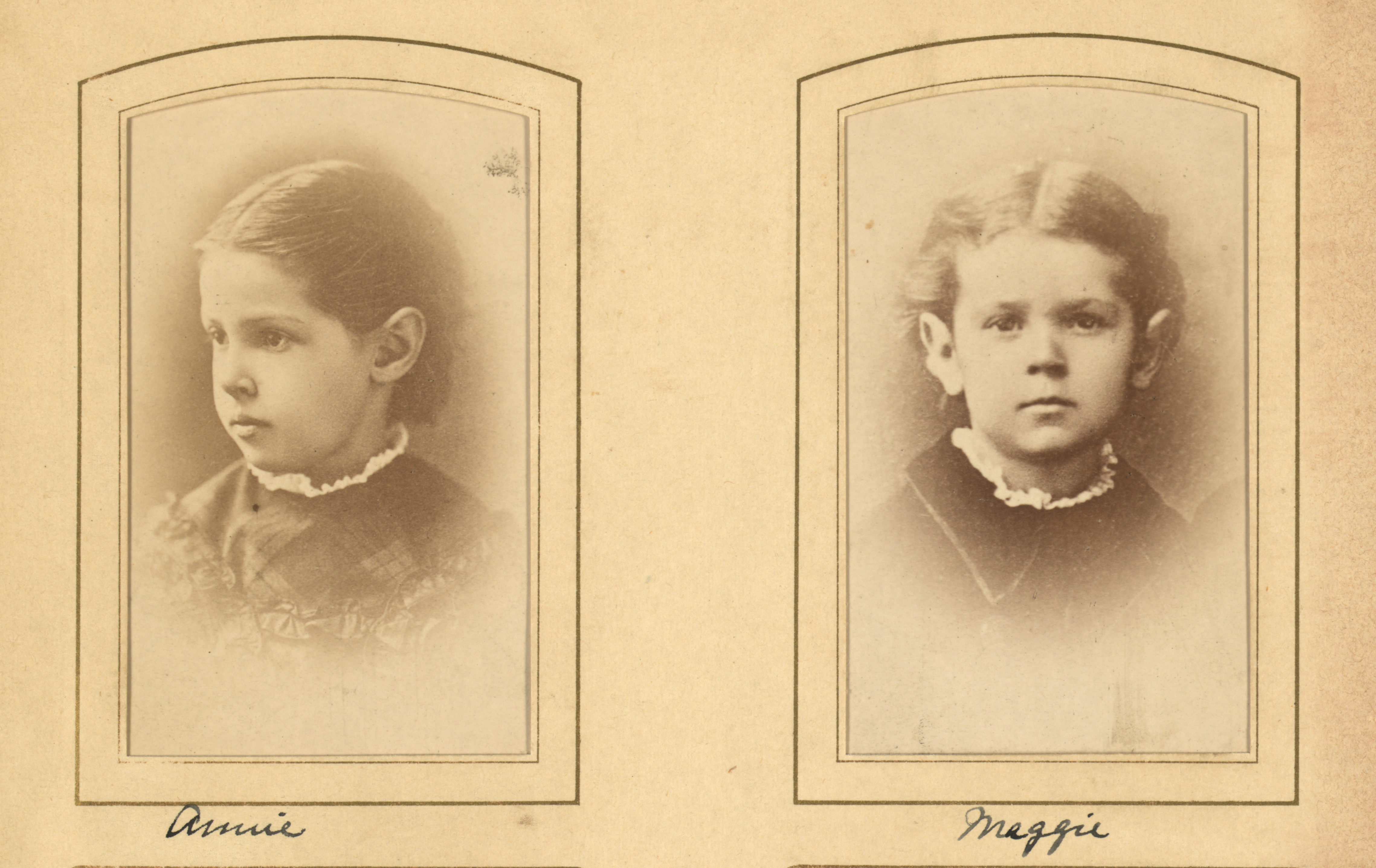
Two years after the fire the family prepared to sail to England aboard the SS Ville du Harve. Horatio was called away to attend to business matters at the last minute and so his wife and four daughters went aboard the ship without him.

Sailing across the ocean, the ship was rammed by another vessel on November 22, 1873 and sank in 12 minutes. There were 87 survivors but 226 people lost their lives that day, including all four of Spafford’s daughters. His wife Anna was saved from drowning and when she arrived in Wales she telegraphed Horatio with the news: “Saved alone what shall I do?” She is also reported as saying to a fellow survivor, “God gave me four daughters. Now they have been taken from my. Someday I will understand why”.

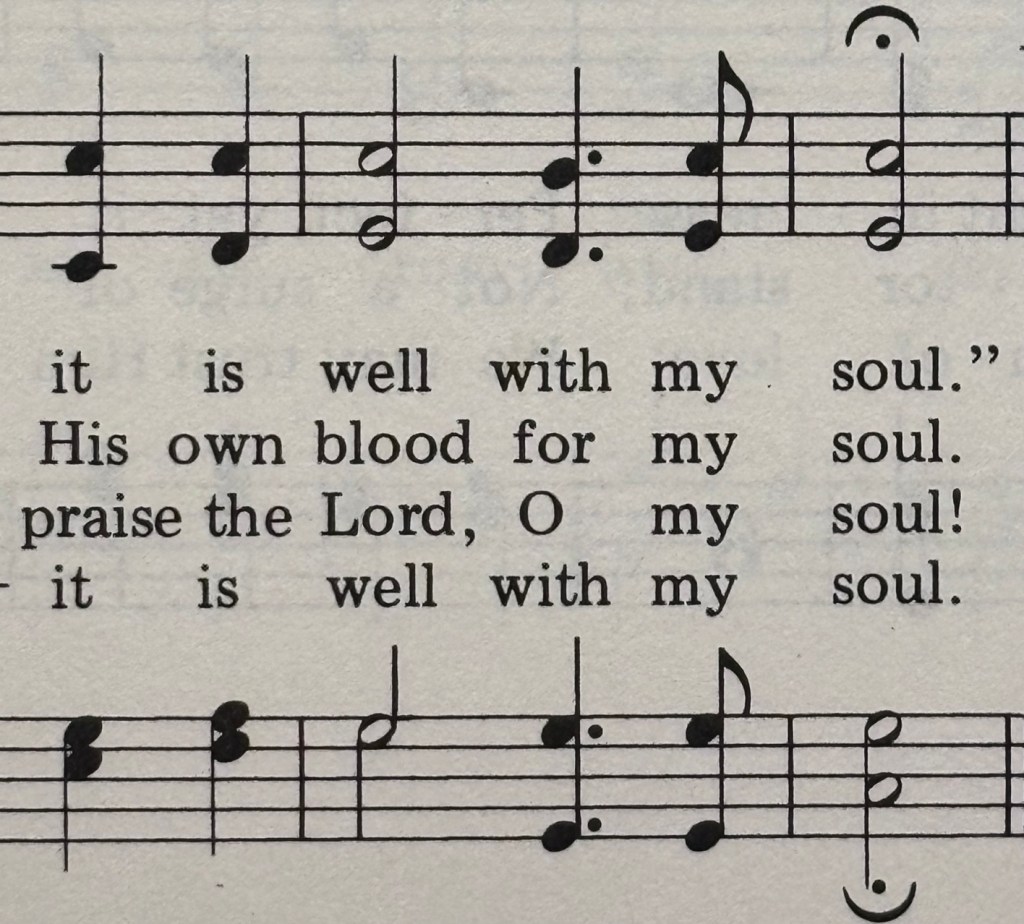
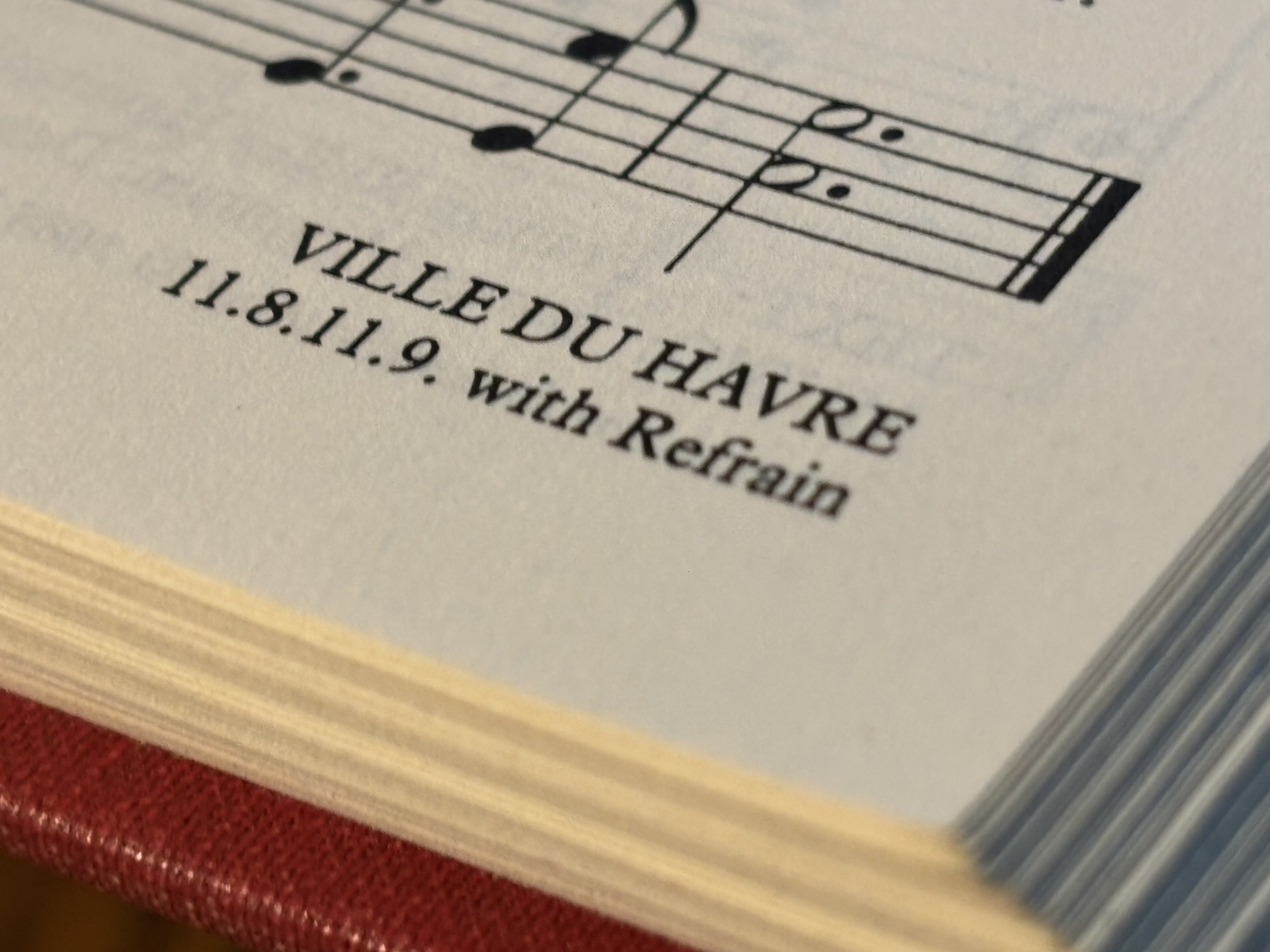
In December as Horatio Spafford was crossing the sea to be with his wife, the captain pointed out the place where the Ville du Harve went down. After a sleepless night, he wrote the words to the poem “It is Well with My Soul”, later put to music by his friend and fellow hymn-writer Philip Bliss. The tune was called Ville du Harve, named for the sunken vessel.
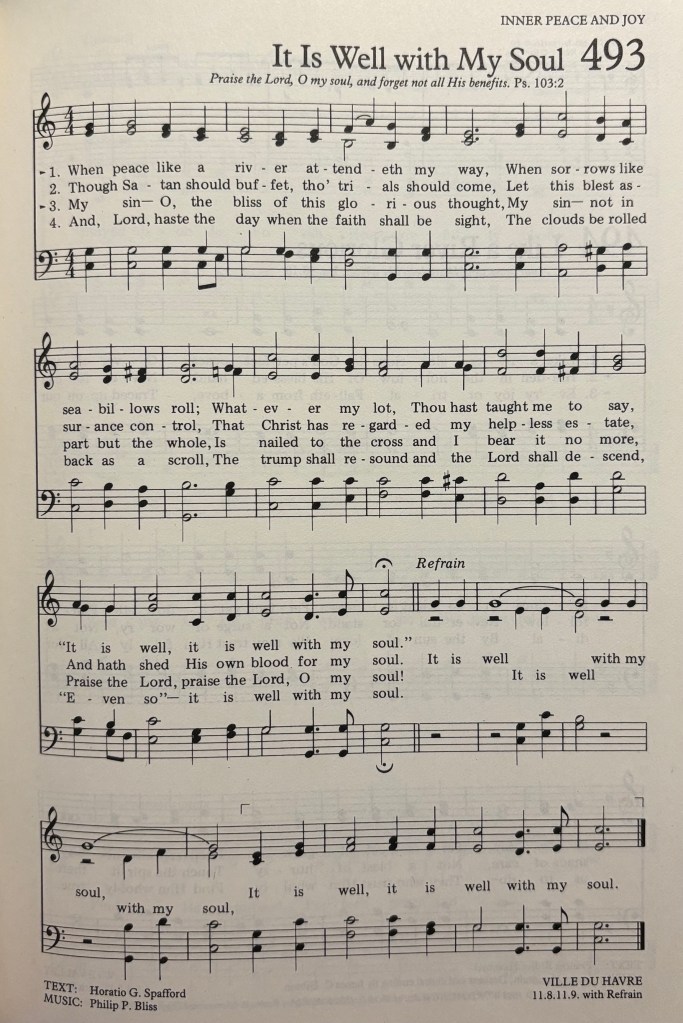
When peace, like a river, attendeth my way, When sorrows like sea billows roll; Whatever my lot, Thou hast taught me to say, It is well, it is well with my soul.
Tranquility can turn into despair in an instant. This an obvious expression of the loss he felt by the tragic death of his four daughters in the ocean accident.
Though Satan should buffet, though trials should come,
Let this blest assurance control;
That Christ has regarded my helpless estate,
And has shed his own blood for my soul.
It is well, it is well with my soul.
There are flavors from Romans 5 where the Apostle Paul reminds us, “for while we were still helpless, at the right time Christ died for the ungodly (v6)”. And “God demonstrates His own love toward us, in that while we were yet sinners, Christ died for us (v8).
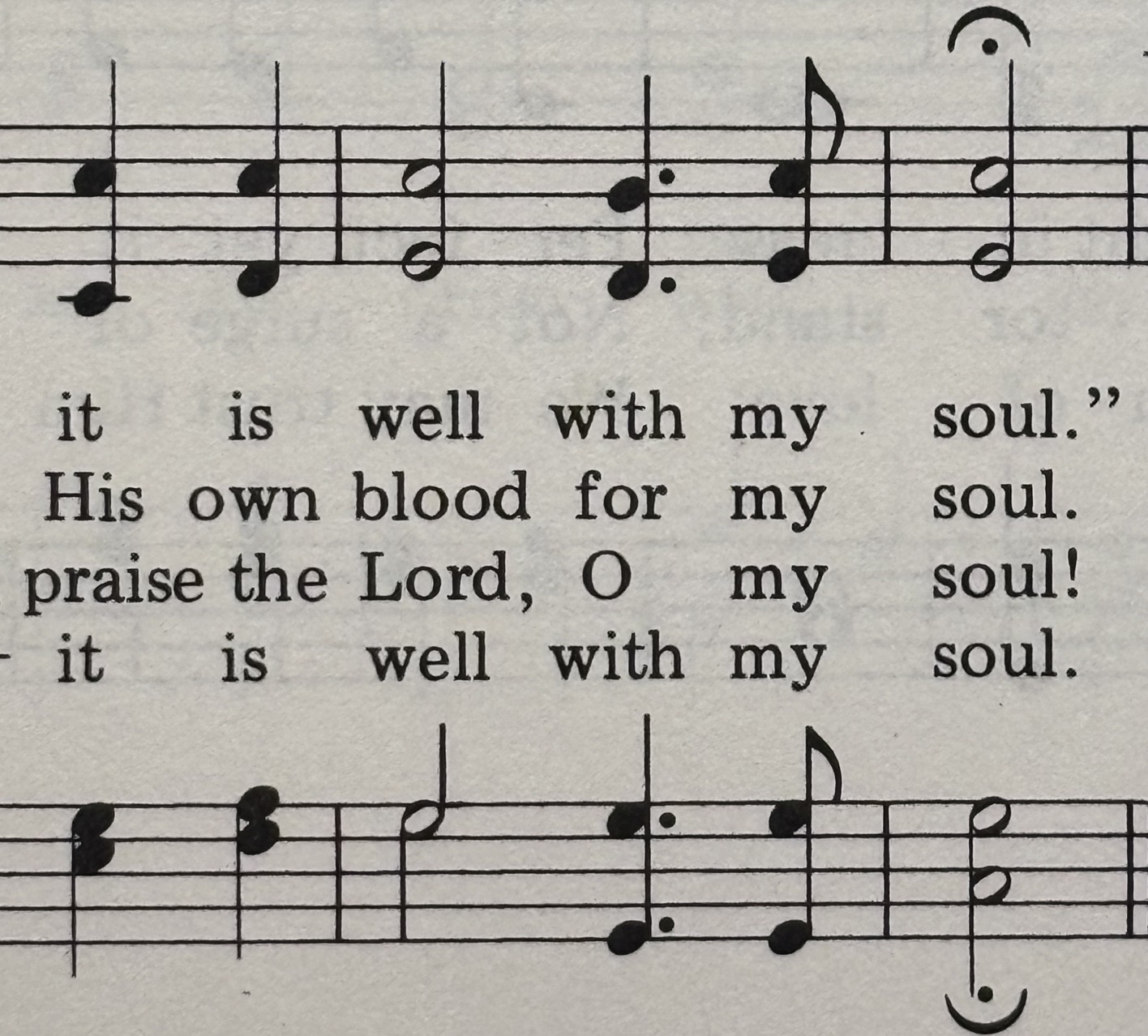
Verse 3 is perhaps one of the greatest hymn lyrics of all time about our salvation:
My sin, O the bliss of this glorious thought:
My sin, not in part, but the whole
Is nailed to the cross and I bear it no more,
Praise the Lord, praise the Lord, O my soul.
It is well, it is well with my soul.
These are great words because they come from Paul’s words to the Colossians:
“When you were dead in your transgressions and the uncircumcision of your flesh, He made you alive together with Him, having forgiven us all our transgressions, having canceled out the certificate of debt consisting of decrees against us, which was hostile to us; and He has taken it out of the way, having nailed it to the cross” (Colossians 2:13-14).
A good hymn will always remind us of the truth of scripture!
However, singing a good hymn might also be dangerous. Why? Because we are laying out our response to God’s dealings with us. We are bearing our souls to God and to one another when we sing this song in corporate worship. Oftentimes God does indeed allow trials and suffering to accomplish all His good purposes.
Would you then sing “It is well with your soul” amid the suffering and trials He’s allowed in your life when these things really aren’t well with your soul?
Would you sing “It is well with your soul” amid disappointments, frustrations and fear, and really mean it?
Would you sing “It is well with your soul” and continue in secret and unrepentant sin?
Would you sing “It is well with your soul” without one thought of Christ nailed to the cross bearing the weight of every single one of your sins against Him? Or are these just words on a screen?
This song is dangerous because we lie to God when we mouth “it is well” in a worship song on Sunday morning and then ‘out there’ it’s not really well with us. There is evidence to suggest that Spafford and his wife moved away from orthodox Christianity in their later years as their trials took a significant emotional and spiritual toll on their lives. We may never know if it really was ‘well’ with Horatio Spafford.
THAT is a sobering warning to us.
So the challenge before us with this song is: do WE really mean what WE’RE singing?
When trials and sorrows roll over us like sea billows… whatever our lot… is God’s sovereignty over all His creation enough for us to say ‘It is well with MY soul’?
Remember the words of Jesus in John 16:33, “In this world you will have tribulation, but take heart, I have overcome the world”.



 Establish my footsteps in Your Word ~ Psalm 119:133