Jesus is God in the flesh. He is eternally existing and completely equal with God the Father.
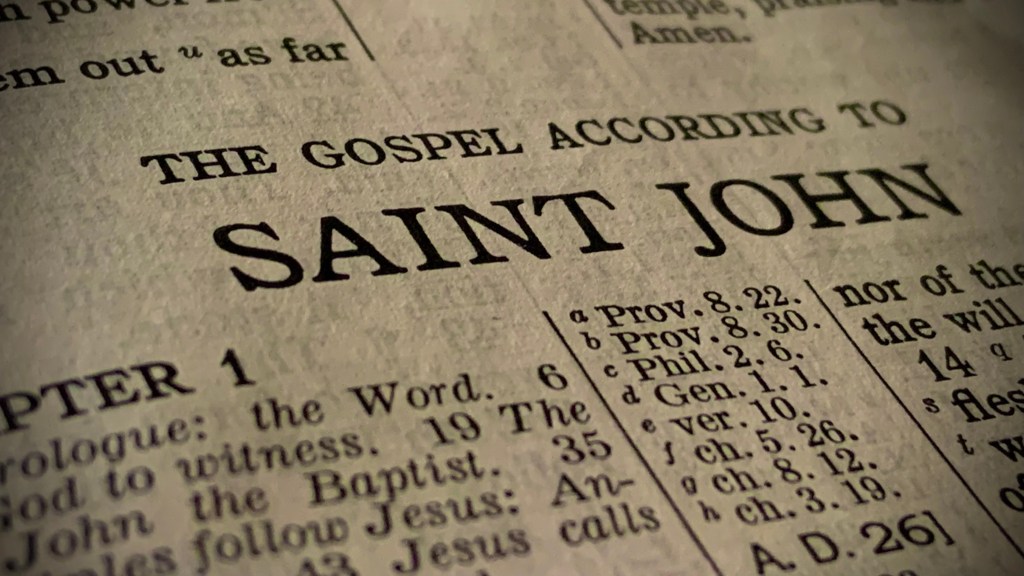
In the beginning was the Word and the Word was with God and the Word was God. He was in the beginning with God (John 1:1-2).
Jesus is referred to as “the Word” in the first words of John’s gospel. The people in the Jewish culture at that time would have totally understood his usage of this term if they were in any way familiar with the Old Testament. Psalm 33:6 says, “By the word of the Lord the heavens were made, and by the breath of His mouth all their hosts”. And similarly, the prophet Isaiah makes this declaration: “For as the rain and the snow come down from heaven, and do not return there without watering the earth and making it bear and sprout and furnishing seed to the sower and bread to the eater; so will My word be which goes forth from My mouth; it will not return to Me empty, without accomplishing what I desire, and without succeeding in the matter for which I sent it” (Isaiah 55:10-11).
To create a connection between the Lord and His earthly creation, the Targums (see notes below regarding the translation of the Old Testament from Hebrew to Aramaic) used terminology from Hebrew (“to say”). For example, in Genesis 9:12, instead of a covenant between God and Noah, the Targums translated it to be a covenant between the Word of God and Noah. This was common in the Targums as the readers of the Aramaic translation would then understand what the original Hebrew was trying to convey. There are literally hundreds of places in the Old Testament where the Targums translated verses like this.
When John was written in Greek, the same sort of communication tactic was employed. To convey the actual meaning and paint a more clear picture of who Jesus is, the writer makes use of the Greek word ‘logos’, which means ‘speech’, ‘utterance’ and/or ‘word’. Jesus is God incarnate. Jesus is personified as the Word, the communication link between man and God. Verse 14 in John’s first chapter says that the Word became flesh and dwelt among us. Jesus laid aside His deity for a moment in time and took on human flesh (see Philippians 2:6-8). He felt our pain, our emotions our loneliness, our joys… and eventually took on our sin at the cross.
Notes regarding the Targums:
These are Aramaic translations of the Old Testament, with the exception of Ezra, Nehemiah and Daniel. The earliest Targums were found in the Dead Sea Scroll discoveries. The word Targum actually means ‘translation or interpretation’.
Aramaic was the common language of the Babylonians. During the Babylonian captivity in the sixth century BC, Aramaic begin to gradually replace the Hebrew language among the Jews.
Scholars say the Targums were written between the 1st and 7th centuries AD. These translations were useful in painting pictures of the Hebrew language, illuminating themes, idioms, traditions and other linguistic features.