The photos appearing here are owned by me. They have been registered on a photo cataloging website for proof of ownership purposes. Images from this site cannot be used for any reason without written permission. High resolutions images are available upon request for $20 each. Make a request by using the contact form.
It’s hard to imagine that the vantage point to one of the most beautiful skylines in the country used to be known for its coal production. Grandview Avenue on Mount Washington wasn’t always the beautiful tourist attraction that it is today. In the mid to late 1700’s, a layer of coal between 10 to 12 feet thick was discovered on the whole mountainside. There were no houses or restaurants or roads or vistas. It was a rocky and rough terrain with a few paths known to the locals as ‘The Indian Trail’. This topography created much difficulty in mining the coal-rich hillside for many years. The advent of the motorized inclines was instrumental in the development of the area and made obtaining and transporting the coal much easier. The inclines were also used for passenger travel and consequently residential development soon followed on top of what we now know as Mount Washington. In those early days, this area was called Coal Hill.
A marker labeled “First Mining of Pittsburgh Coal“, near one of the observation decks on Mount Washington says, “This State’s bituminous coal industry was born about 1760 on Coal Hill, now Mount Washington. Here the Pittsburgh coal bed was mined to supply Fort Pitt. This was eventually to be judged the most valuable mineral deposit in the U.S.”.
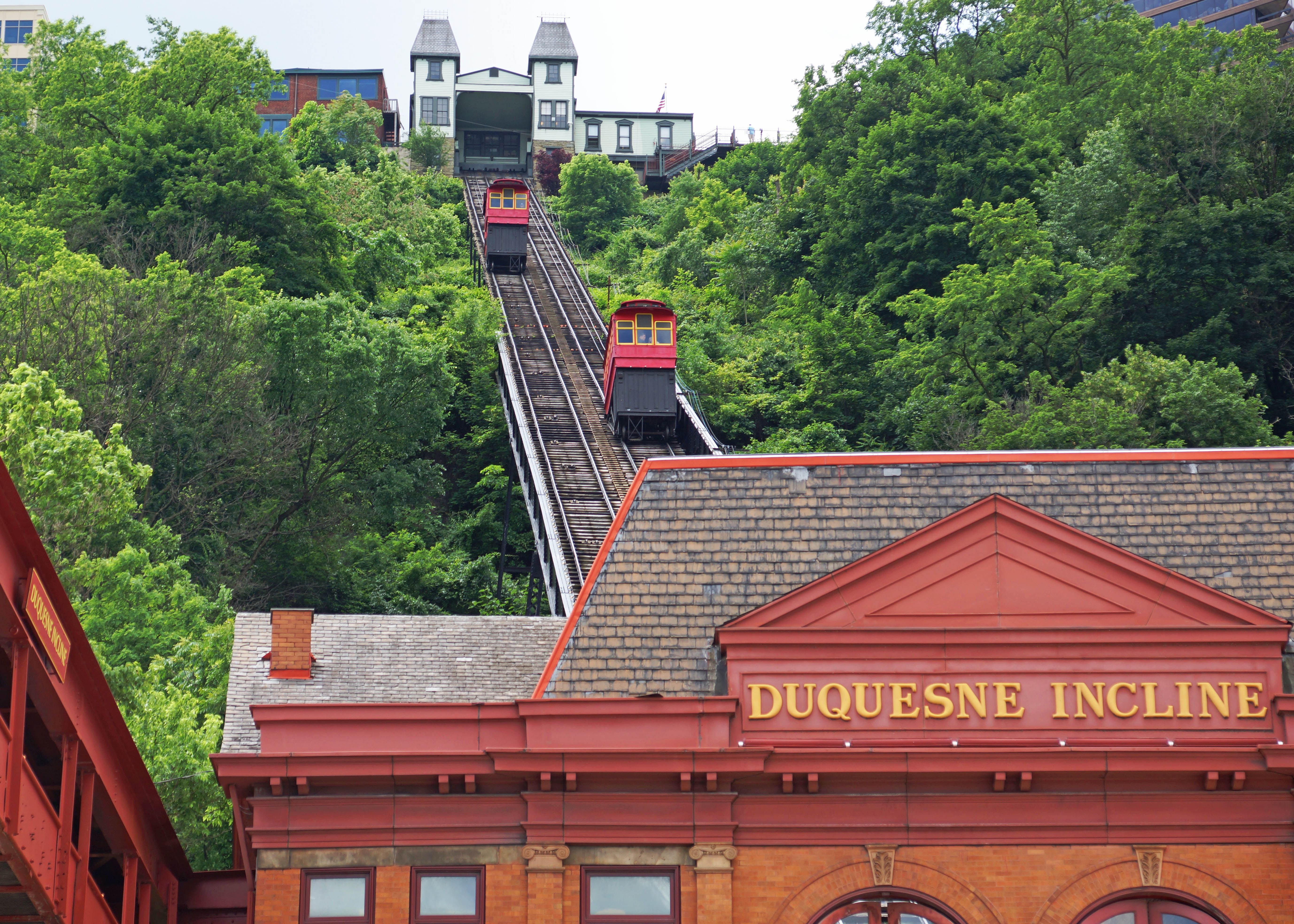
In all, there were at least 17 inclines in and around Pittsburgh at one time. At the base of each of the inclines descending from the peak of Mount Washington were glass factories, steel mills, coal processing plants and blast furnaces. There are local legends of Mount Washington residents watching the blast furnaces on Carson Street below from Grandview Avenue. As the finished iron products came out of the furnaces each day, billowing dirt and smoke would blow up the hill and women would rush to retrieve their clean laundry in off the clothes lines.
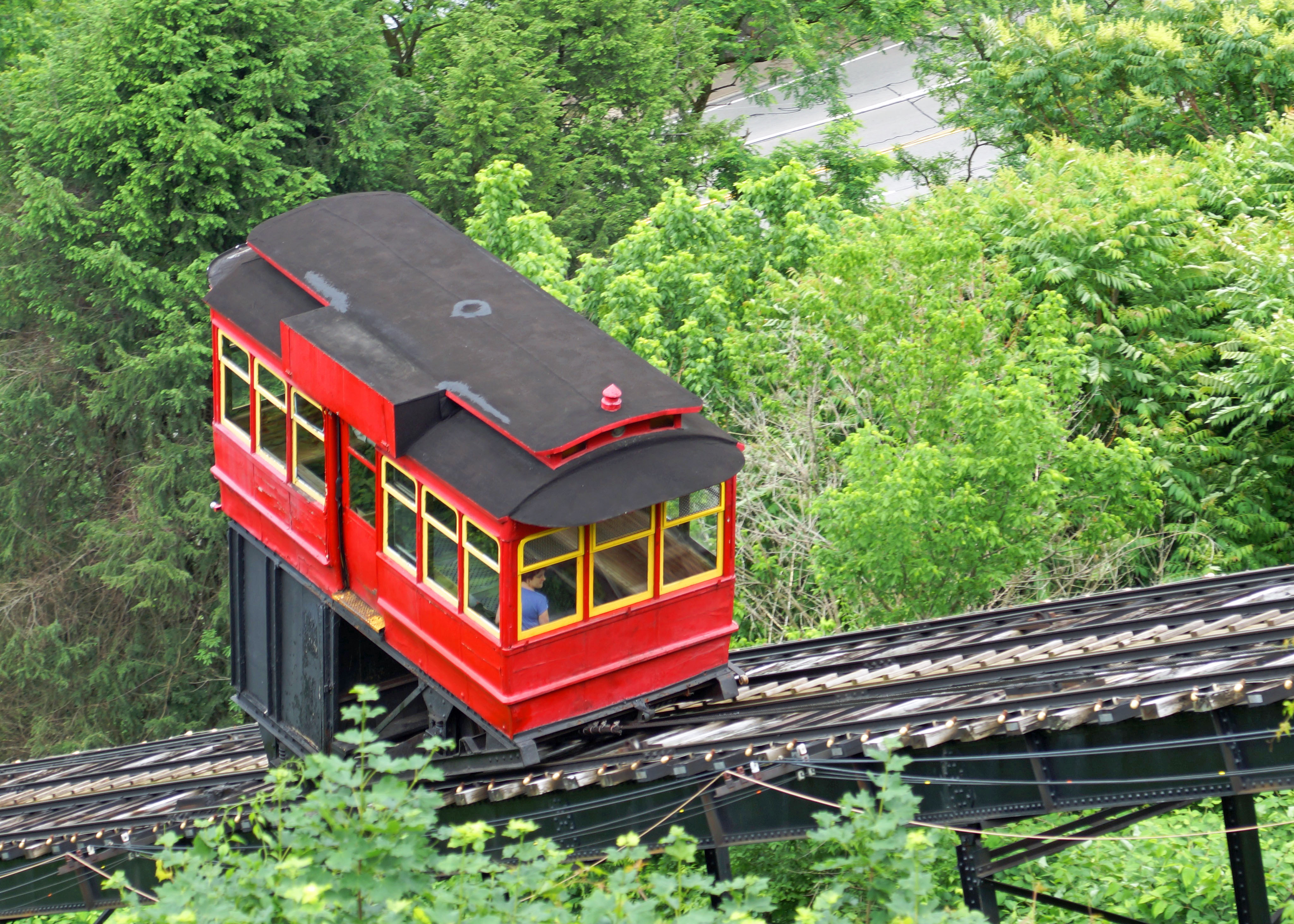
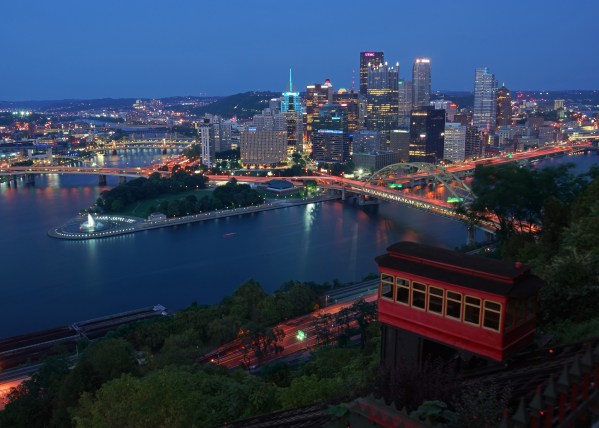
Seems like a far cry from today’s glorious view from the mountaintop. Things have changed drastically in 100 years. Now there are only two inclines left in Pittsburgh: The Duquesne Incline and the Monongehela Incline.
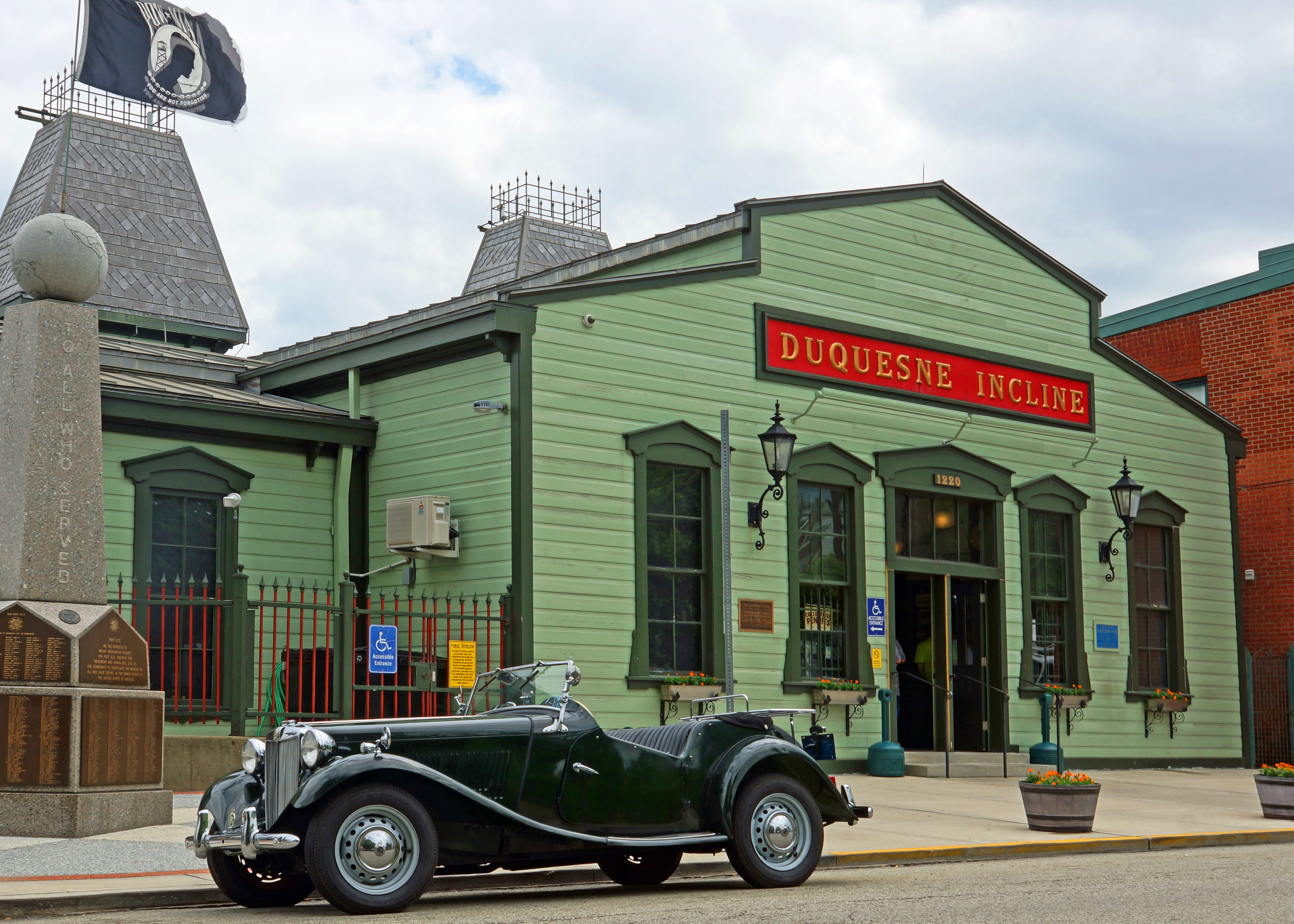
The Duquesne Incline was engineered and built by Samuel Diescher and opened to the public in 1877.



 Establish my footsteps in Your Word ~ Psalm 119:133