
I Will Sing Of My Redeemer
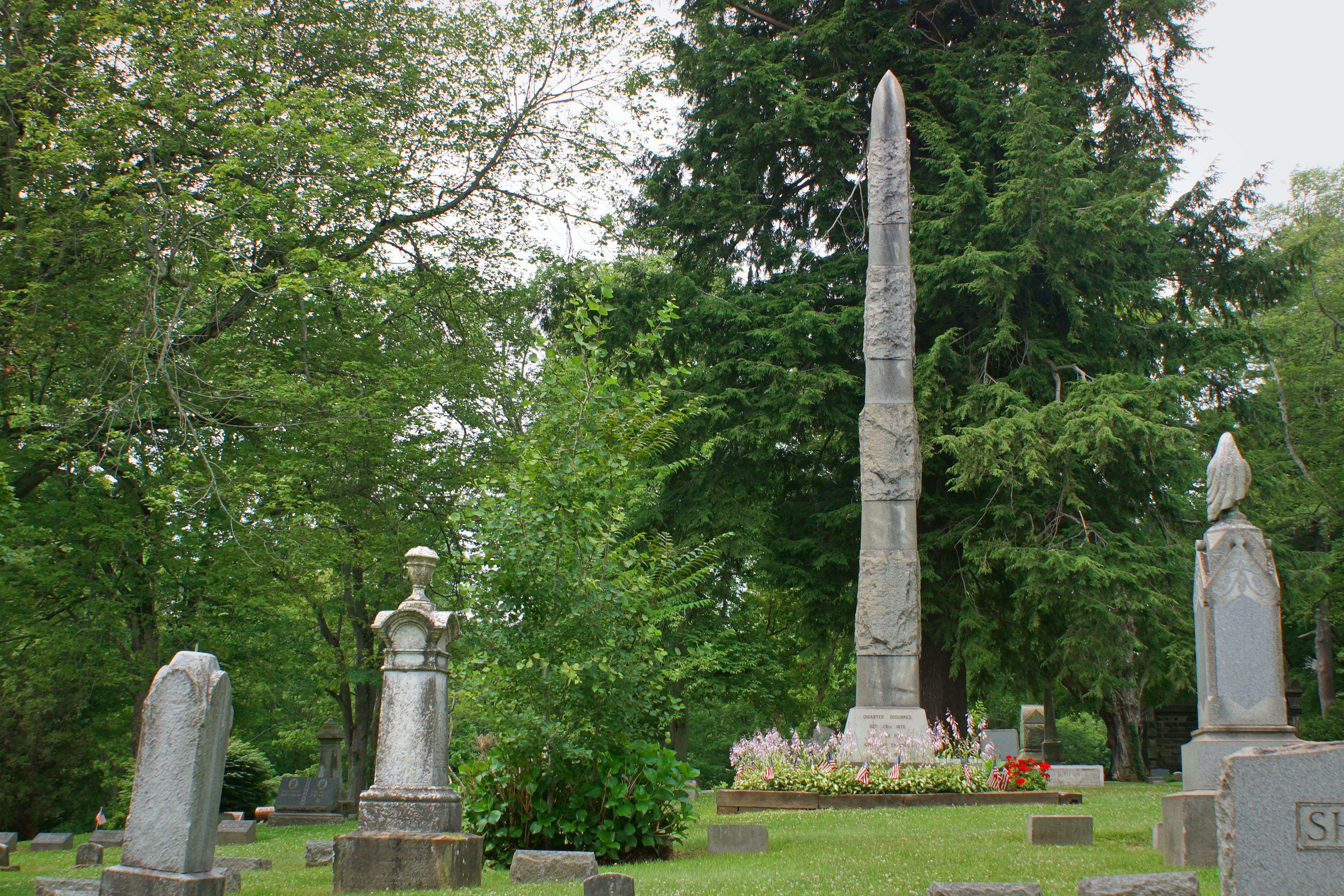
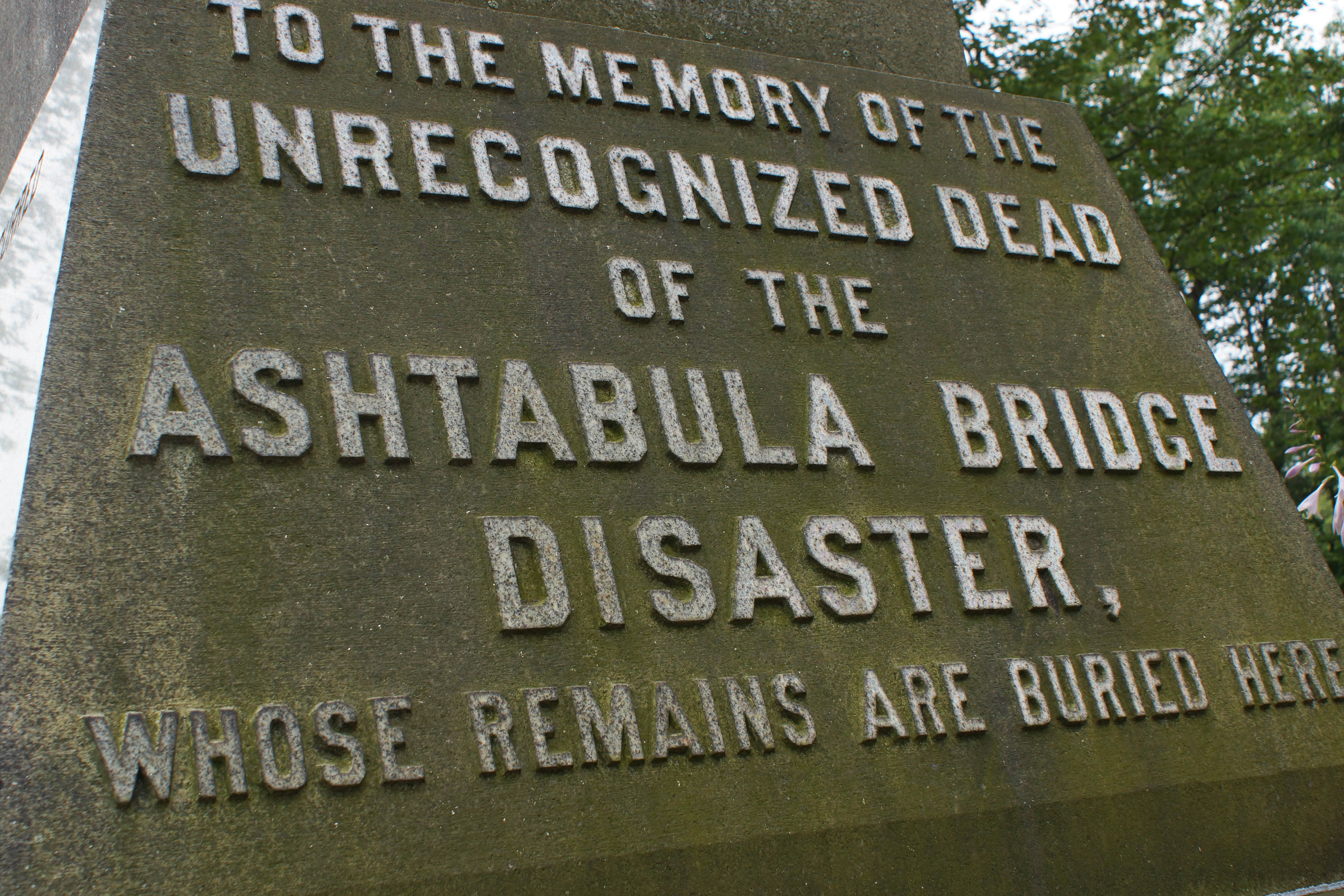
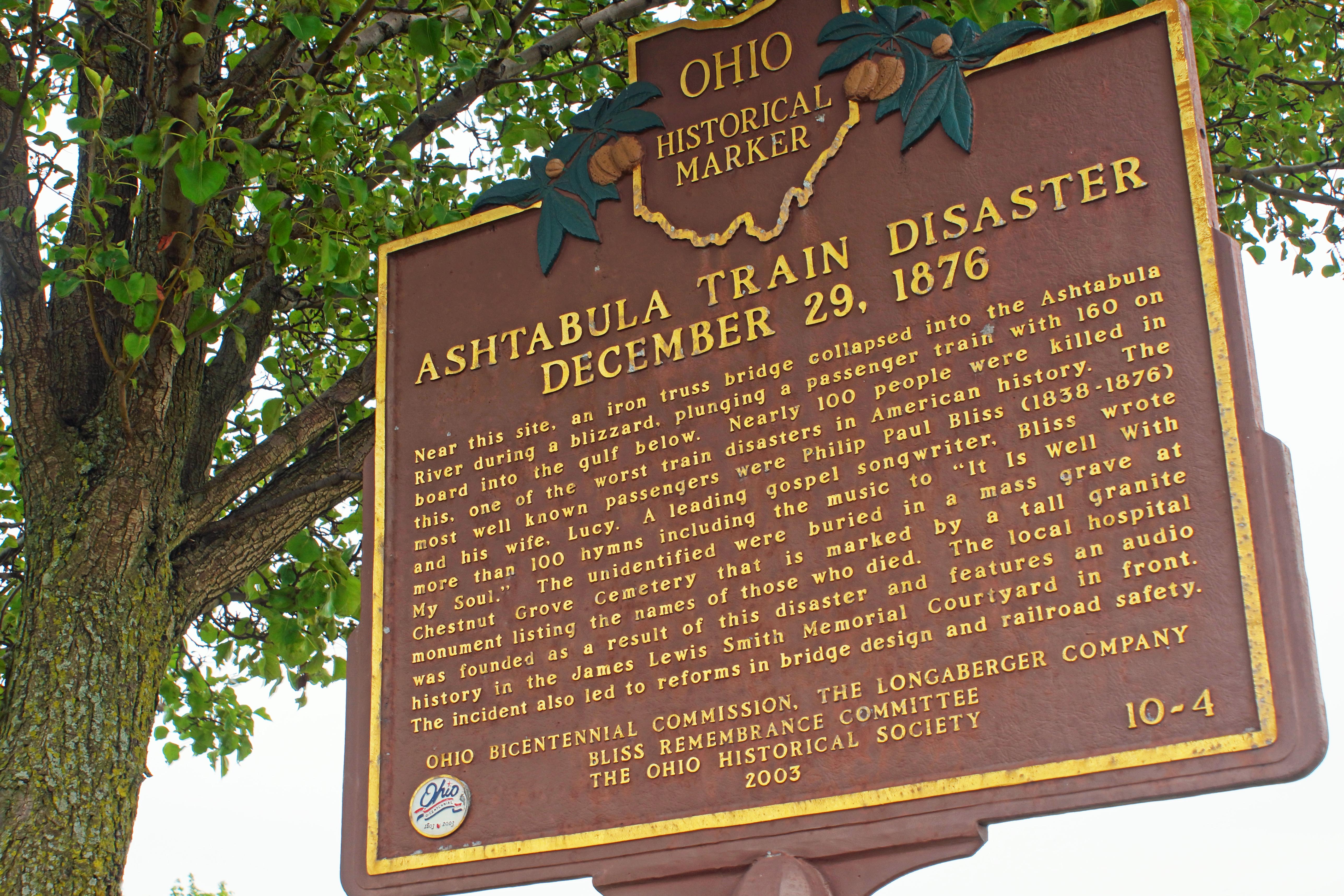
This song describing and celebrating the redemptive work of Jesus Christ almost never made it into our hymnals. The lyrics were found in a trunk amongst the charred wreckage of the Ashtabula, Ohio train disaster of 1876.
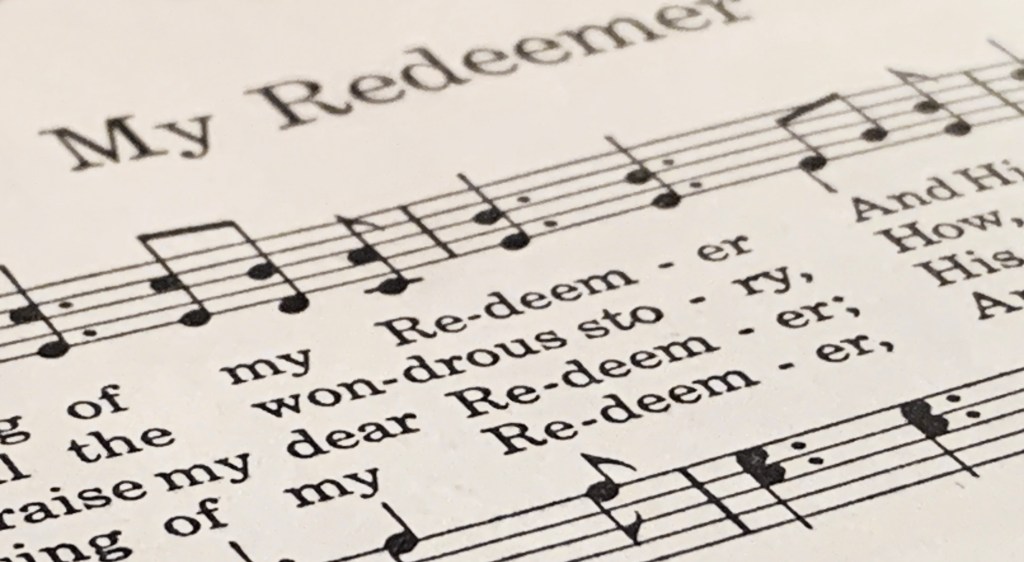
A redeemer is one who pays the price for a slave’s freedom. When God was about to deliver the children of Israel from their bondage in Egypt, He said, “I am the Lord, and I will bring you out from under the burdens of the Egyptians, and I will deliver you from their bondage. I will also redeem you with an outstretched arm and with great judgments” (Exodus 6:6). The Israelites were brought out of slavery in epic fashion, passing safely through the Red Sea on dry ground – and the whole Egyptian army drowned in the sea as they pursued them. That is a story of dramatic deliverance!
We aren’t being forced by the Egyptians to make bricks, but our sin has enslaved us in a much worse manner. Jesus Christ is our Redeemer because He died in our place to deliver us from the bondage of sin and its associated guilt. The shedding of His blood and subsequent death was the only acceptable price for our freedom, according to the scriptures (Hebrews 10:11-22).
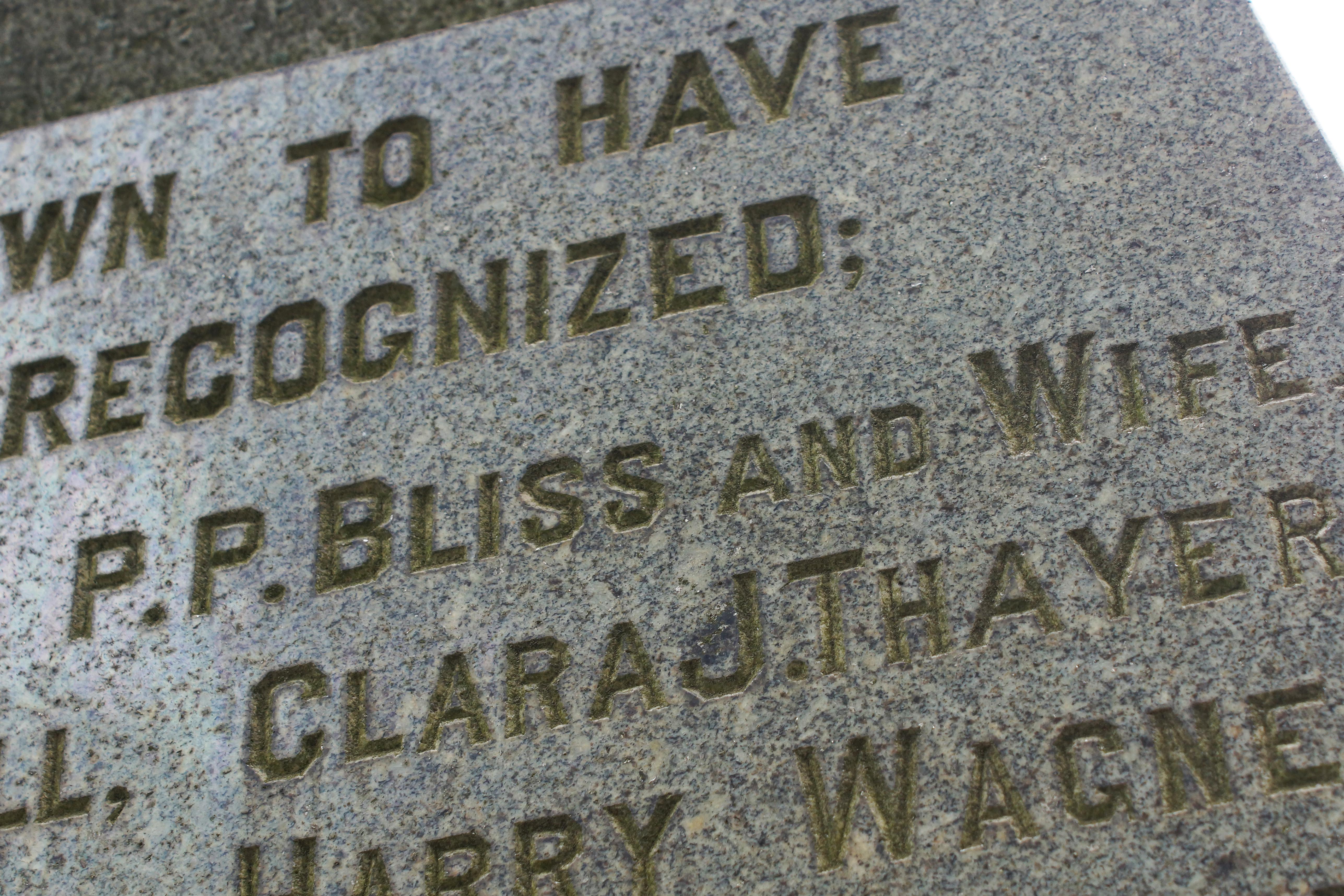
Philip Paul Bliss was a well-known American composer and hymn writer. He was responsible for such songs as “Hallelujah, What a Savior!”, “Almost Persuaded” and “Wonderful Words of Life”. He also wrote the tune for Horatio Spafford’s, “It Is Well With My Soul”. Born in 1838, he developed a love for music as a young boy and became a music teacher at the age of 22. At the urging of famous evangelist D.L. Moody, Philip Bliss went into full time Christian ministry as a missionary singer, living from the royalties of his songs. On December 29, 1876, Bliss and his wife were aboard the 11-car luxury train that crashed into a frozen river in Ashtabula Ohio as it crossed a railroad bridge. The bridge collapsed, killing Philip Bliss and his wife, along with nearly one hundred other souls.
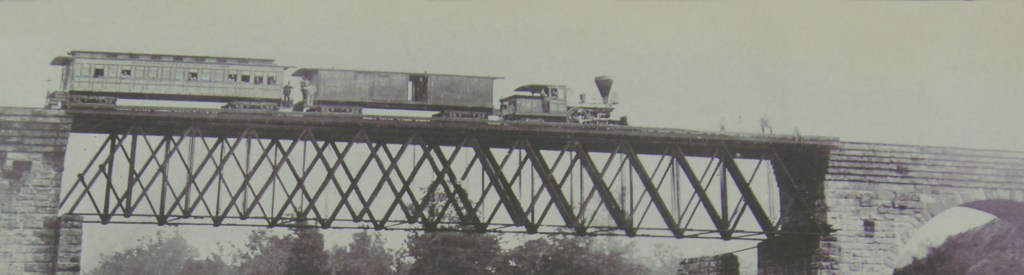
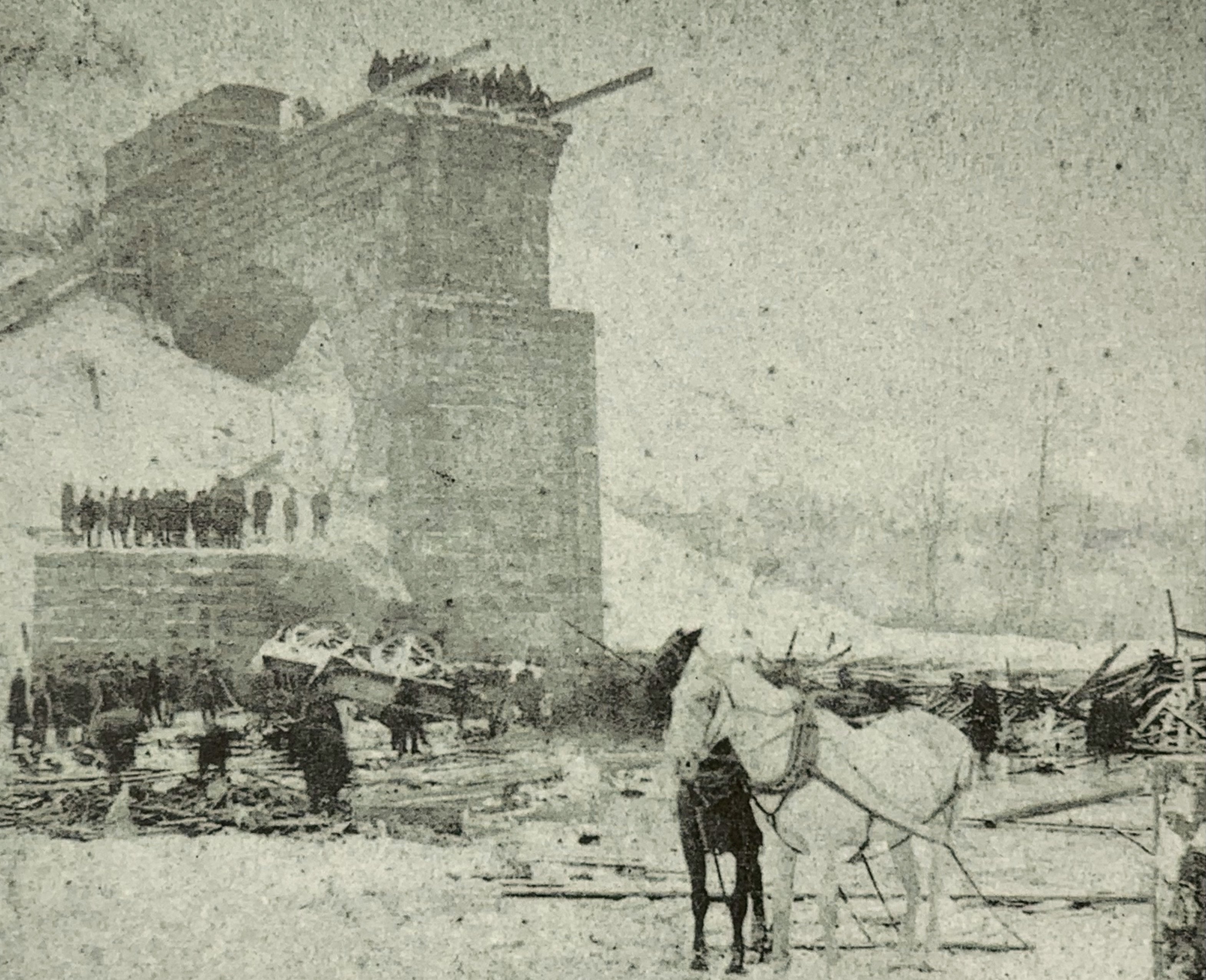
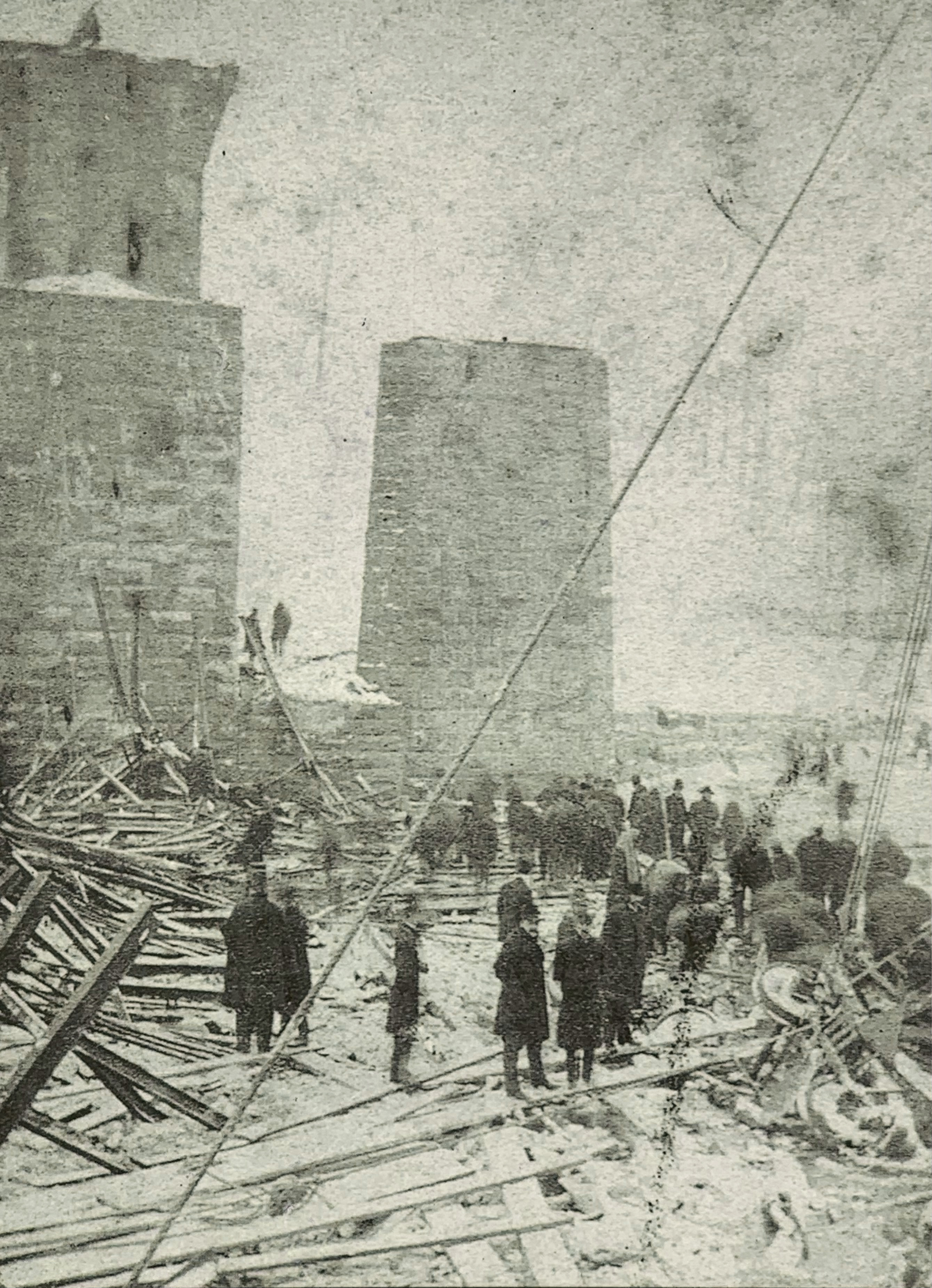
The manuscripts for the hymn, “I Will Sing Of My Redeemer”, was miraculously found in the burned remains of his trunk amid the wreckage. The tune for this beloved hymn was composed shortly thereafter by Bliss’s close friend, James McGranahan.
Why is this hymn so great? Aside from the joyful arrangement of musical notes, the song is full of unambiguous Biblical truth about redemption. The redemption we sing about is personal. It is permanent for us in this life and extends into eternity! This hymn reminds us of the triumph we experience in Jesus Christ, encouraging us to boldly proclaim and unashamedly celebrate these beautiful doctrinal truths in song!
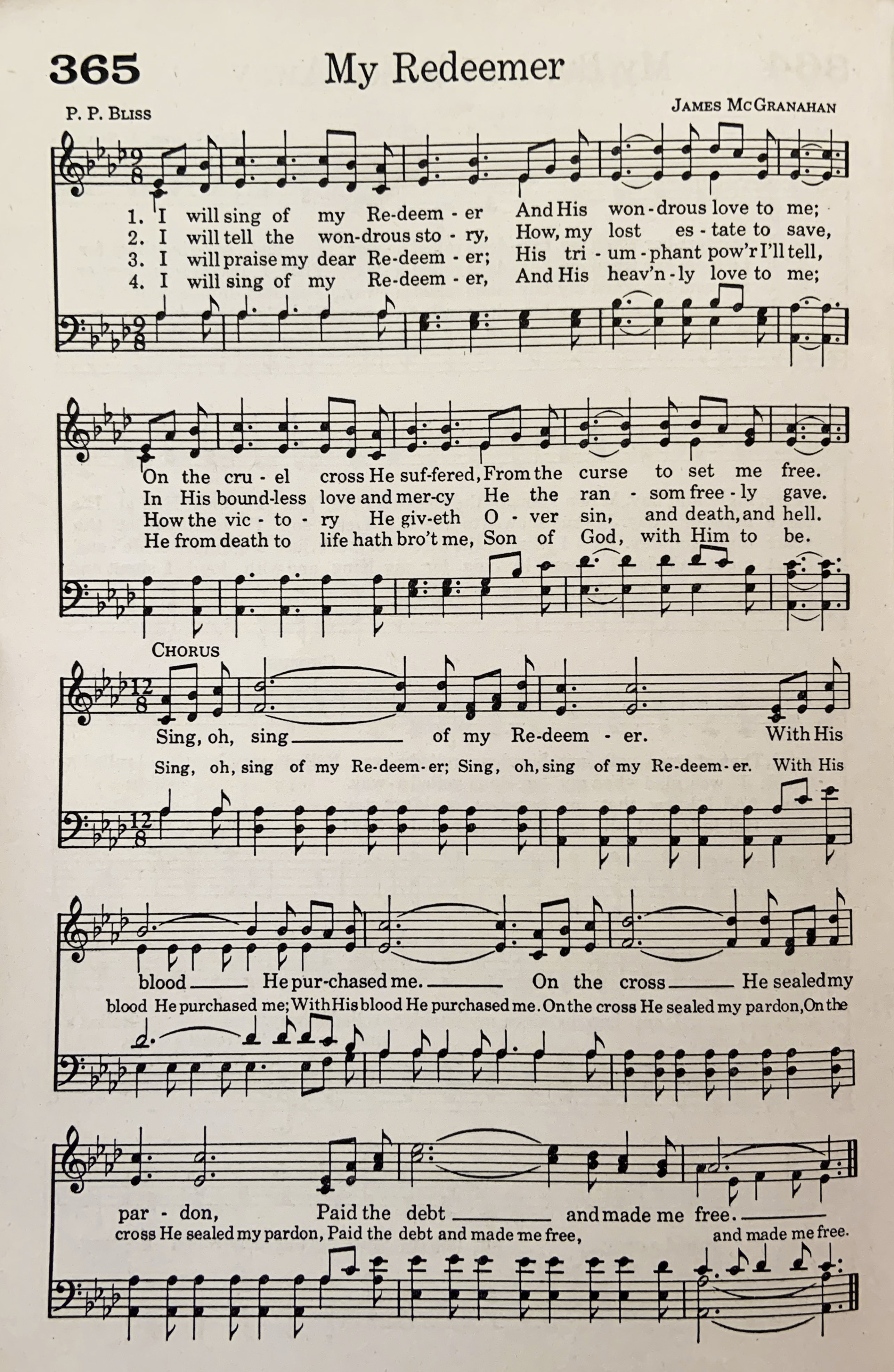
The Personal Nature of Redemption – Verse 1
I will sing of my Redeemer,
And His wondrous love to me;
On the cruel cross He suffered,
From the curse to set me free.
Redemption is personal. The purchase of a human being’s freedom is not a generic act… this is MY Redeemer. It is ME He loved. It is ME that was set free. Because of the curse of sin, Jesus Christ suffered a horrific death on the cross… for ME. I was a slave to sin, but now I am set free! And because of this, I sing!
The Permanence of Redemption – Refrain
Sing, oh, sing of my Redeemer,
With His blood He purchased me;
On the cross He sealed my pardon,
Paid the debt, and made me free.
My pardon is not a temporary condition. The debt I incurred from my sin was infinitely more than I could pay on my own. As a result, I needed someone with the resources to make the payment God required in order to satisfy all His demands. Jesus is that Someone, having “canceled out the certificate of debt consisting of decrees” against me and He “has taken it away having nailed it to the cross” (see Colossians 2:13-14)! On that cross, Jesus shed His blood and died. That payment was sufficient to satisfy God’s justice. The refrain celebrates the fact that my Redeemer sealed my pardon on the cross. This is a clear reference to Ephesians 1, verses 7 and 13 where it says, “In Him we have redemption through His blood, the forgiveness of our trespasses, according to the riches of His grace… you also, after listening to the message of truth, the gospel of your salvation – having also believed, you were sealed in Him (that is, Jesus!) with the Holy Spirit of promise”. When Jesus seals something, it is permanent! Nothing can break the seal! My debt is paid fully and forever!
The Proclamation of Redemption – Verse 2
I will tell the wondrous story,
How my lost estate to save,
In His boundless love and mercy,
He the ransom freely gave.
Shall those who have been freed from the dungeon remain silent? Would those souls who were once lost not speak of their new found condition? Upon his deliverance from sin, former English slave trader John Newton exclaimed, “I once was lost, but now am found”! He was formerly known as The Great Blasphemer and he considered himself rude and profane. But he eventually realized his need of a Redeemer and bowed his knees to Jesus Christ. He had a wondrous story to tell, proclaiming it in his song, Amazing Grace.
Similarly, all of those who have trusted in Christ have their own story of amazing grace to tell. How beautiful are the feet of those who bring good news of good things (Romans 10:15; see also Isaiah 52:7)! The good news is that the expensive price for our souls was paid by Someone else… it cost the sinless Son of God His life. But for us, our deliverance is a free gift! His love and mercy knows no boundaries, as verse 2 of this hymn articulates. Infinite, never-ending love and mercy is worth singing about!
The Triumph of Redemption – Verse 3
I will praise my dear Redeemer,
His triumphant pow’r I’ll tell,
How the victory He giveth
Over sin, and death, and hell.
Those who have been redeemed are victors. Romans 8 asks the rhetorical questions, “If God is for us, who is against us?”, “Who will bring a charge against God’s elect?” and “Who will separate us from the love of Christ?”. The answer is a resounding, “Nobody!”, because we “overwhelmingly conquer through Him who loved us” (Romans 8:37). Victory over sin and death and hell would never be ours if it were up to our own efforts. But through Christ our Redeemer, we are conquerors. And not merely conquerors, but overwhelming conquerors! Philip Bliss captures this praiseworthy thought very well with the use of “triumphant pow’r” and “the victory He giveth” in this verse.
The Eternal Results of Redemption – Verse 4
I will sing of my Redeemer,
And His heav’nly love to me;
He from death to life hath brought me,
Son of God with Him to be.
Before I knew Christ as my Redeemer, I was not only lost in my hopeless condition, but according to Ephesians 2, I was dead in my trespasses and sin. Dead people are utterly unable to respond to anything. But God, being rich in mercy, because of His great love for me, even while I was dead in my transgressions, made me alive together in Christ Jesus (see Ephesians 2:4-5)! And because I have been made alive based on the merits of Jesus and His grace towards me, I have been raised up with Him and seated in the heavenly places (Ephesians 2:6). I will spend eternity with the Son of God, where I will sing of my Redeemer forever!
This hymn is so great because it is a clear theological statement on redemption! It beckons those who have been freed from their slavery of sin to celebrate the Savior that made the redemption possible. The bright and cheery tune attached to the simple, truth-heavy lyrics pulls us into a joyful state as we contemplate our great deliverance!
The site of the Ashtabula Train Disaster can be seen at the end of the Indian Trails Park path. The trail begins on East 24th Street, a short distance from Lake Avenue in Ashtabula. The current train bridge is in operation and has markings on the side that it was modified after the initial collapse in 1904 and 1958.

The Ohio Historical marker is located on Lake Avenue in front of the hospital near one of the entrances. The mass grave memorial is well-marked at the Chestnut Grove Cemetery, 79 Grove Drive Ashtabula Ohio.



 Establish my footsteps in Your Word ~ Psalm 119:133